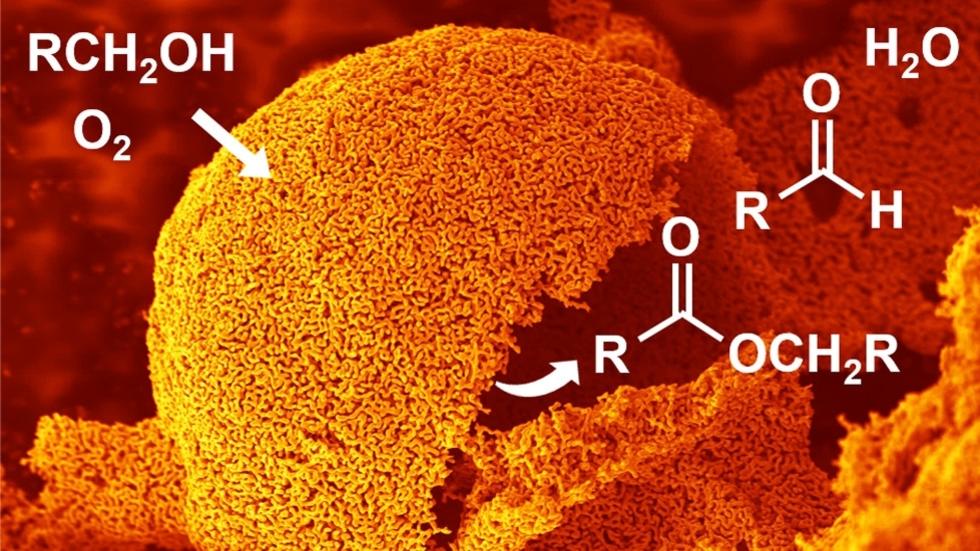
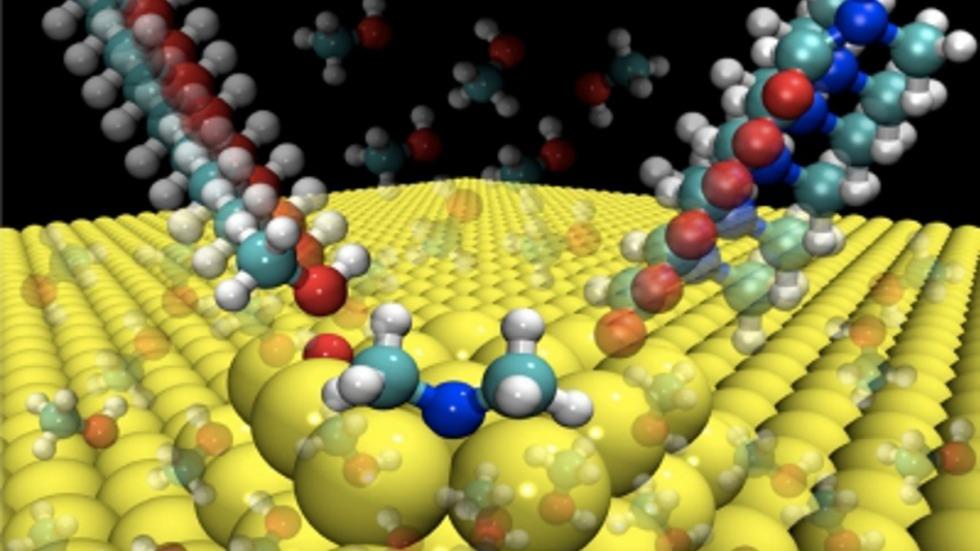
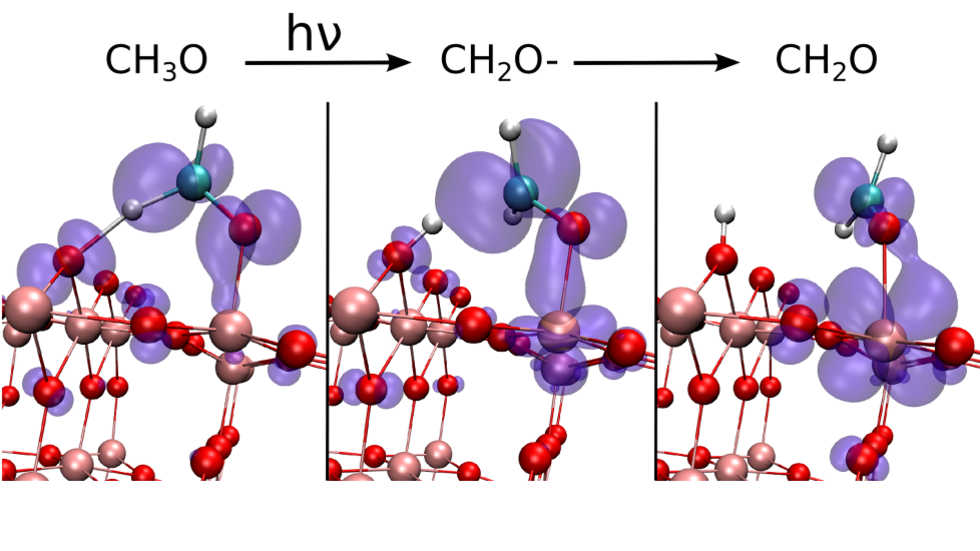
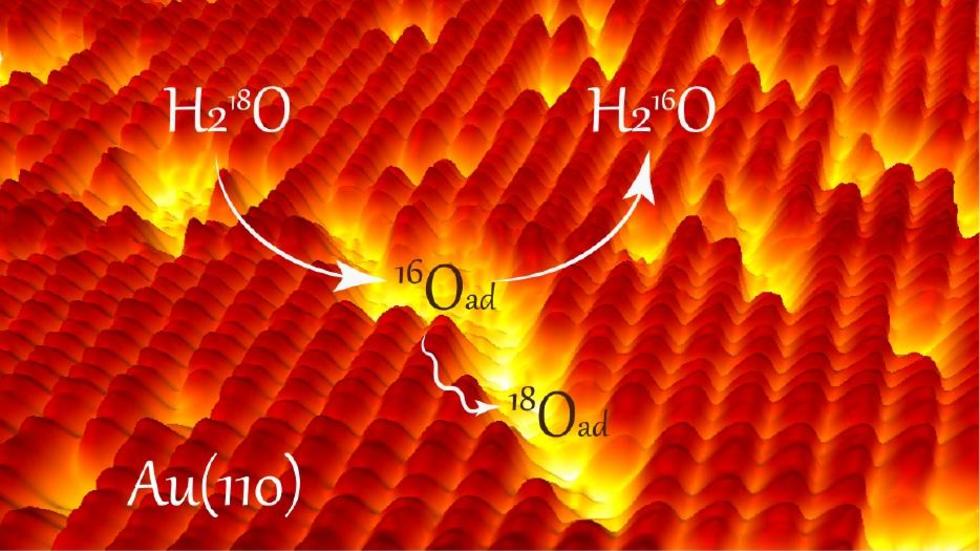
Surfaces and interfaces are important in many emerging and existing scientific fields and technologies. The research in the Friend group is motivated by an interest in several technologies, including heterogeneous catalysis, nanostructure growth, environmental chemistry, laser-assisted materials processing, and chemical sensor technology.
Friend Group In the News
New appointment as Associate Lab Director for Photon Science
at SLAC, the National Accelerator Lab at Stanford.
Bingjun Xu an AVS National Student Award recipient
The student awards were established to recognize and encourage excellence among graduate students in the sciences and technologies of interest to AVS.
Prof. Friend recipient of 2011 Honorary Degree
Prof. Friend receives honorary Doctor of Science Degree from Bowdoin College.
Bingjun Xu receives Chinese award
Friend Group Researcher Bingjun Xu recently received the prestigious "Chinese Government Award Outstanding Students Aboard" and is pictured here with Chinese Consul General Mr. Keyu Peng.

Zeroing In On Golden Mechanisms
Studies elucidate catalytic reaction steps yet key questions remain unsettled.
Events
September 7, 2011September 14, 2011
September 21, 2011
September 28, 2011
Spotlights

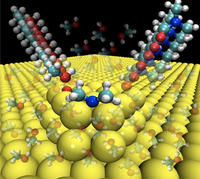
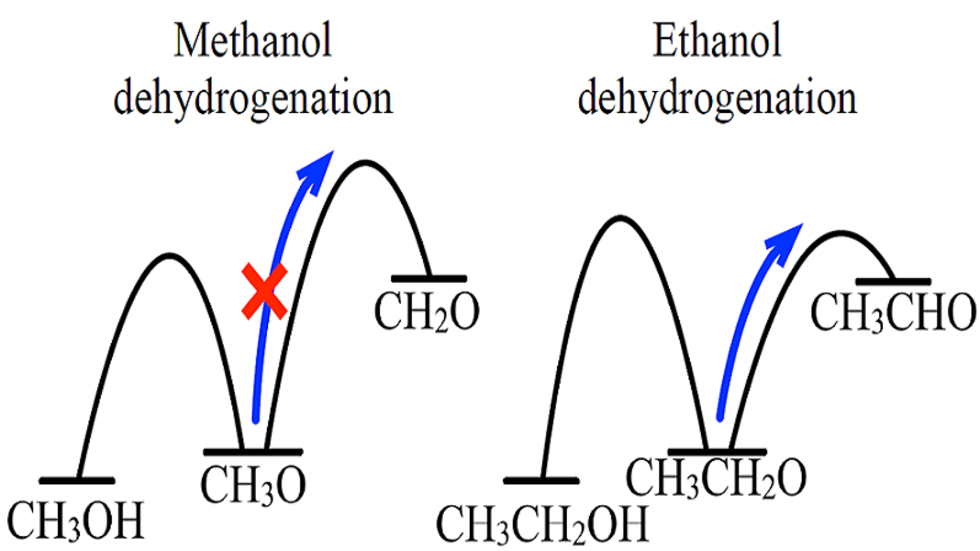
Alcohol coupling reactions on Au(111) surface. Bingjun Xu is working to combine experimental and theoretical approaches to get a detailed molecular-level understanding of the system. (2009)

2006 Workshop: Building Strong Chemistry Academic Departments through Gender Equity: funded by NSF, NIH, and DOE.