|
Current Research |

|
Early Detection and Quantification of Fungal Growth on Surfaces
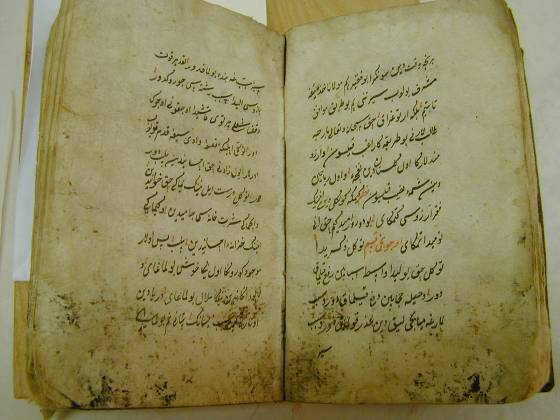
Fungi attack many heritage materials, including those composed of paper, textiles and synthetic polymers. Fungal growth occurs when items are stored under conditions of high temperature and humidity leads to fungal deterioration. We are currently adapting a fluorometric assay for use in early detection and quantification of fungal growth on cultural heritage materials. The method is inexpensive, rapid, easy to use, and has extremely low detection limits. |
|
Harvard School of Engineering and Applied Sciences / Laboratory of Applied Microbiology |
|
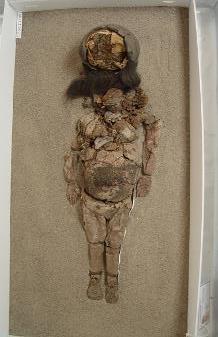
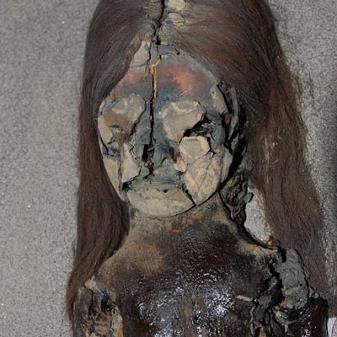
Microbial Degradation of the Skin of the Chinchorro Mummies of Ancient Chile.
The Chinchorro mummies are the oldest artificial mummies ever found, dating back to 5050 BC. A collection of these mummies is being stored in the museum at Universidad de Tarapacá, northern Chile. In recent years, blackening and exudation of mummy skin have been documented. We are investigating the contribution of the microbial community associated with the Chinchorro mummies’ skin to the recently observed deterioration. Our data support an association between opportunistic microbes and the recent degradation phenomena of the Chinchorro skin. The results of our investigation should enable the development of proper storage methods in controlled environments, so as to minimize biodeterioration of this significant archeological collection. |